
Messinia & Kalamata
The Peloponnese’s soft southwest — olive groves to the horizon, a bay sheltered by a long, narrow island, and one of Greece’s best-loved beaches hidden behind a dune.
The Peloponnese’s quiet southwest — and the country’s loudest landscape.
Messinia is the western finger of the southern Peloponnese — a soft, generous prefecture of olive groves, river valleys, long beaches and four castles along its coast. Its capital, Kalamata, is a working seaside city; its hinterland is olive groves, fig orchards and vines.
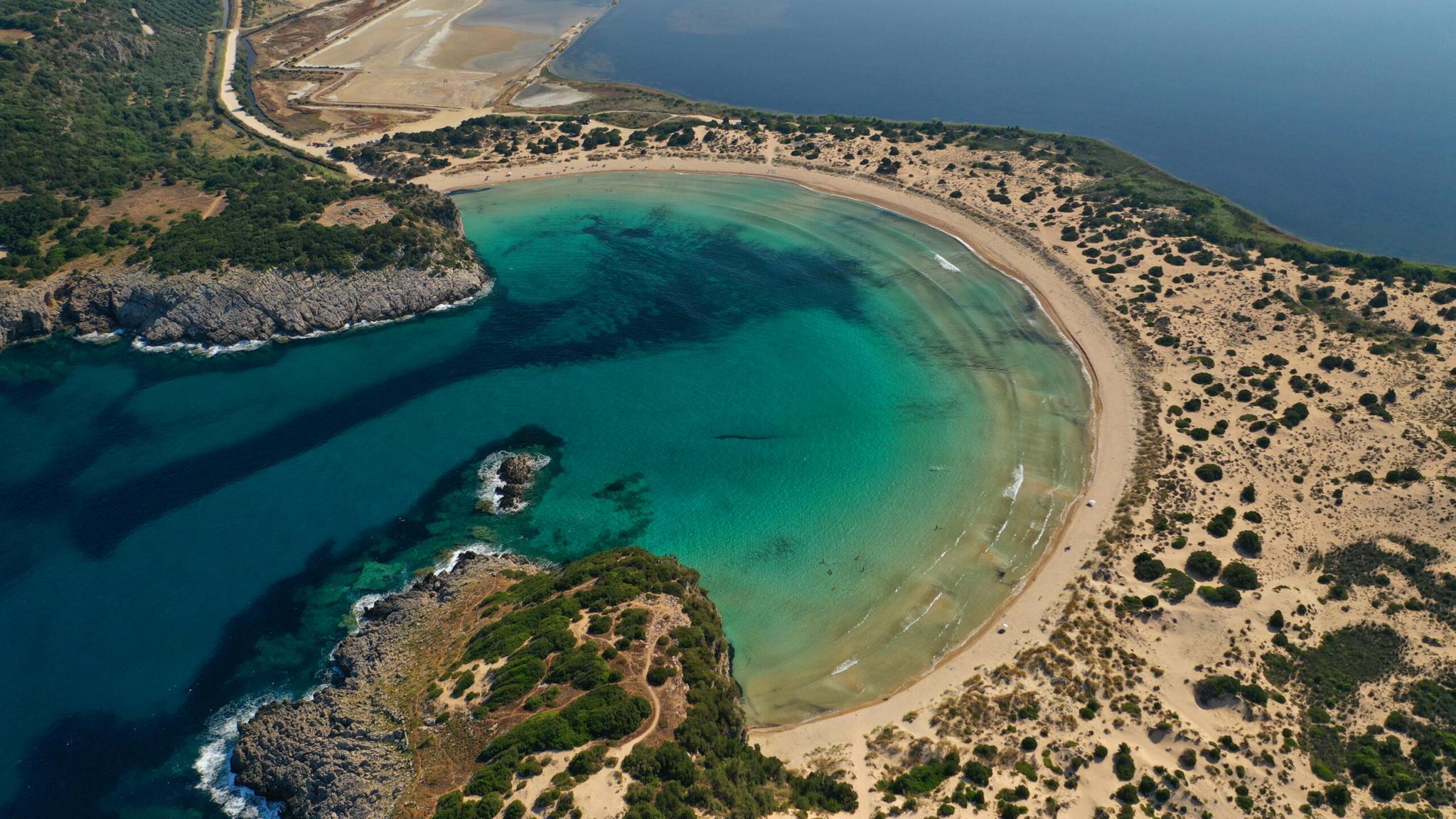
The Mani sits to its east; Olympia to the north, the Ionian to the west. Between them, Messinia keeps its own pace. The Bay of Navarino is one of the largest natural harbours in Greece, and Voidokilia at its northern tip — a perfect crescent of white sand behind a dune — is one of the most photographed beaches in Greece. Inland, the river valleys of the Pamisos and the Neda run through olive groves of Koroneiki trees, the variety that gives Kalamata oil its peppery finish.
8 places, one peninsula.
Hover the map or the list — they're linked. Numbered roughly the way you'd drive them.
- 01Archaeology
Ancient Messene
A 4th-century BC walled city, less visited than Olympia and arguably more atmospheric — a stadium, a theatre, an arcadian valley.
- 02Inland
Polylimnio
A chain of fifteen waterfall pools in a green gorge above Charavgi village. A two-hour walk to the highest fall.
- 03Other coast
Koroni
Methoni’s twin on the eastern side of the peninsula — a hilltop castle, a working harbour, and miles of olive grove walks.
- 04Castle coast
Methoni
A vast Venetian sea-castle ringed on three sides by water, with a long sandy beach and a tiny old town tucked behind it.
- 05Harbour town
Pylos
A horseshoe bay, an Ottoman castle (Niokastro), and the navy memorial to the 1827 Battle of Navarino in a small white town.
- 06Beach
Voidokilia
A perfect horseshoe of white sand behind a dune system, looking out at the lagoon of Gialova. Walked into; never driven.
- 07Capital
Kalamata
A working port city of nearly 60,000, with a long seaside promenade, an old town climbing up to a Frankish castle, and the best Sunday market in the south.
- 08Resort coast
Costa Navarino
Four luxury hotels on the dunes north of Pylos, four championship golf courses, and direct access to Voidokilia.
12 ways to meet the place.
Sea kayaking on Navarino Bay, paddleboarding at Voidokilia, e-biking through the olive groves, the Polylimnio waterfalls on foot.
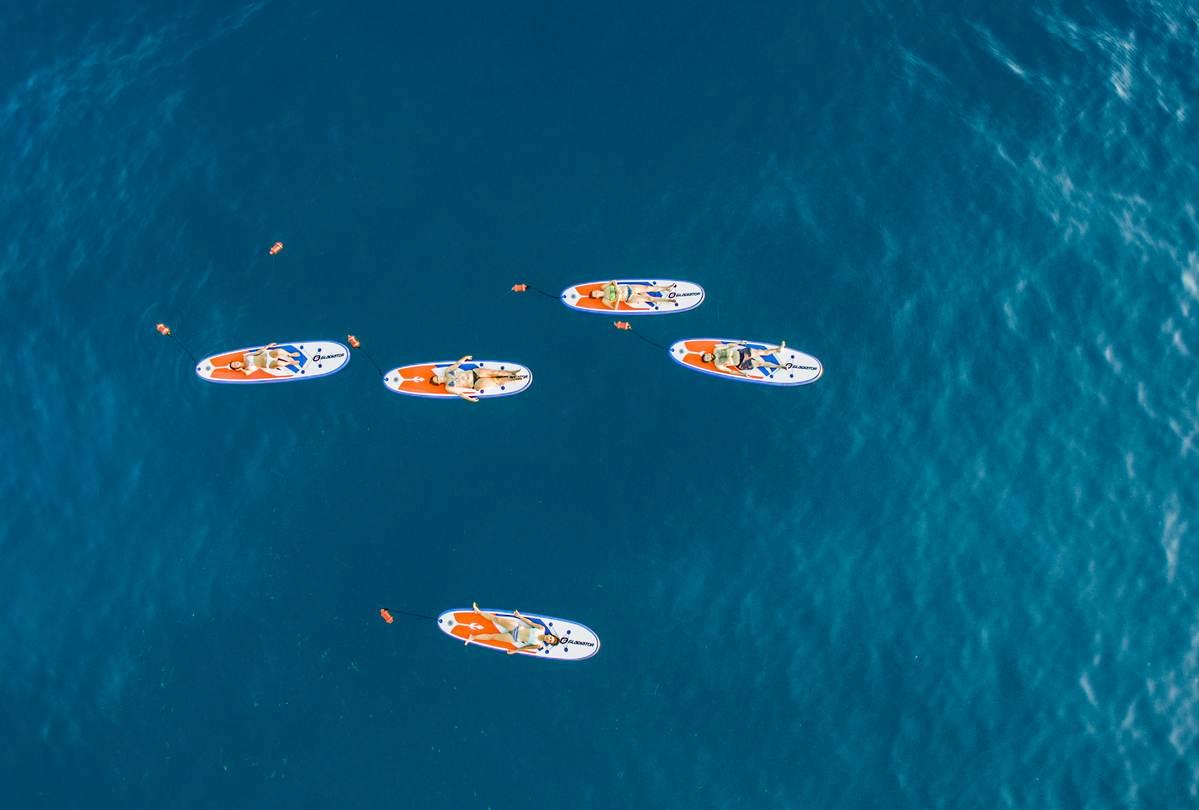
SUP and snorkelling on the Kalamata coast
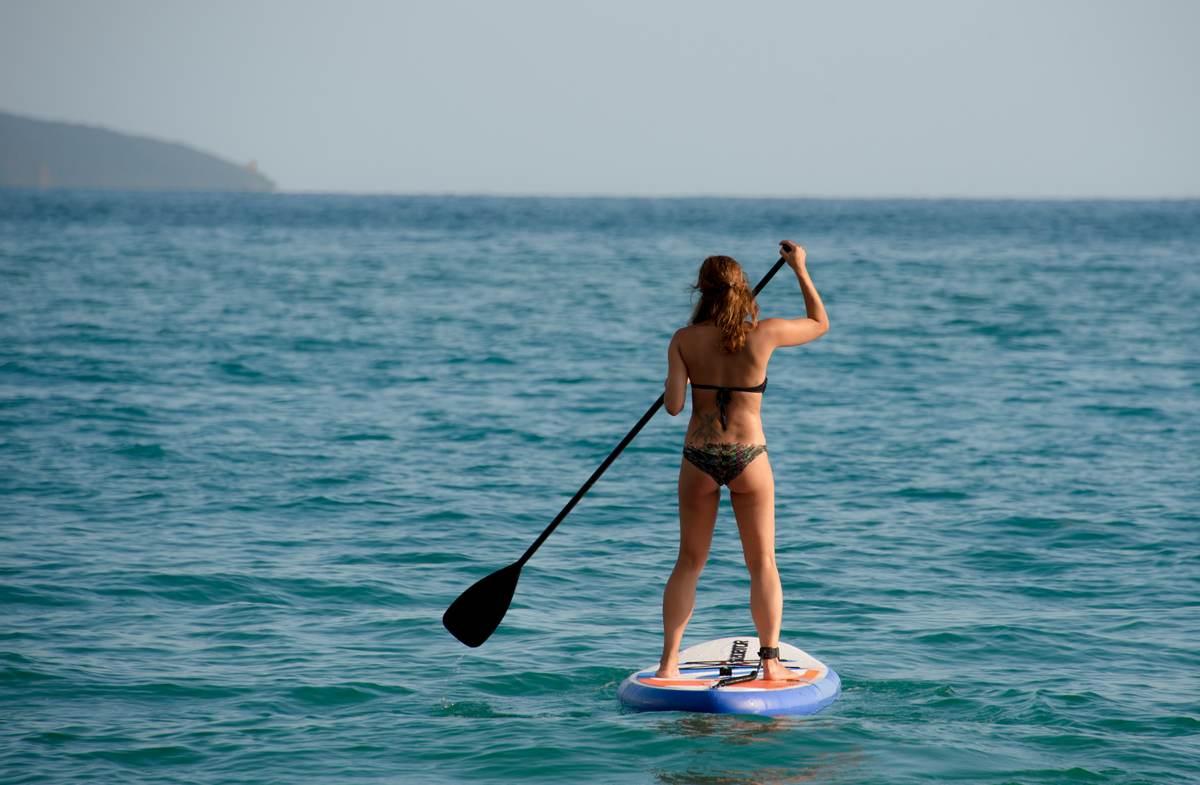
Stand-up paddleboarding at Voidokilia
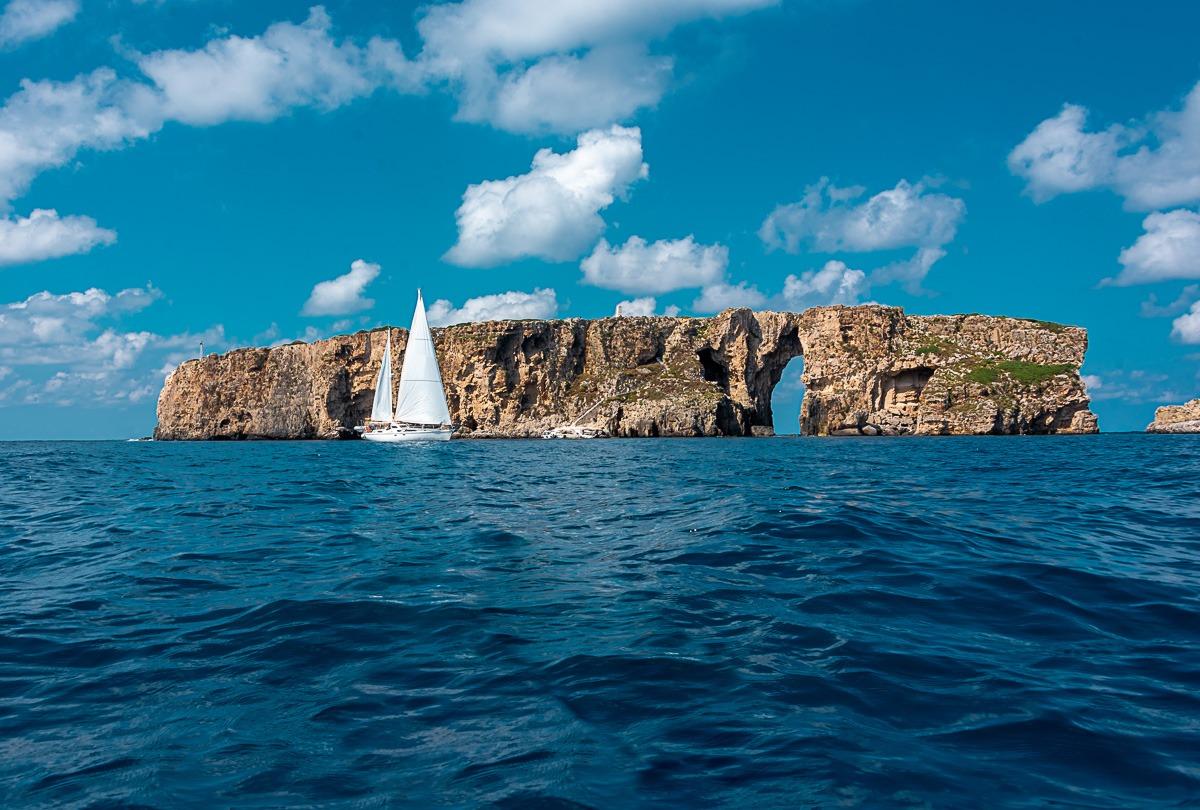
Sea kayaking Navarino Bay
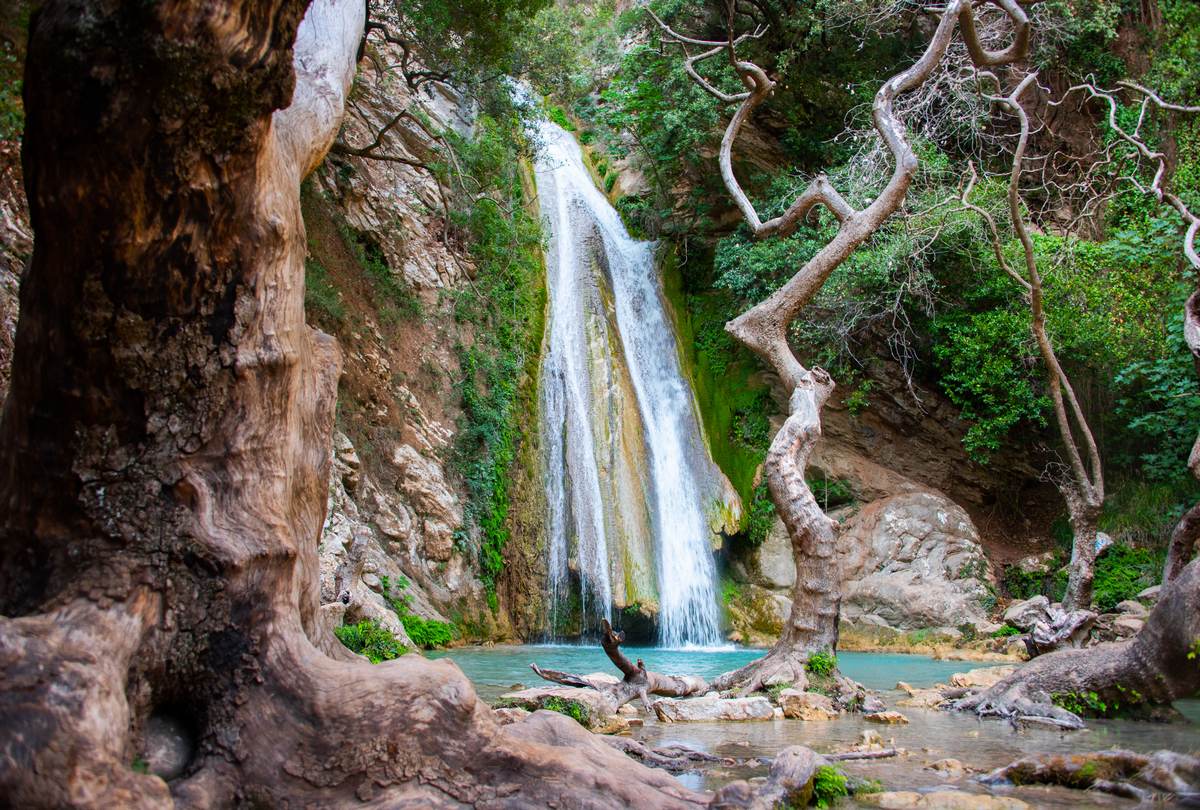
River trekking the Neda gorge
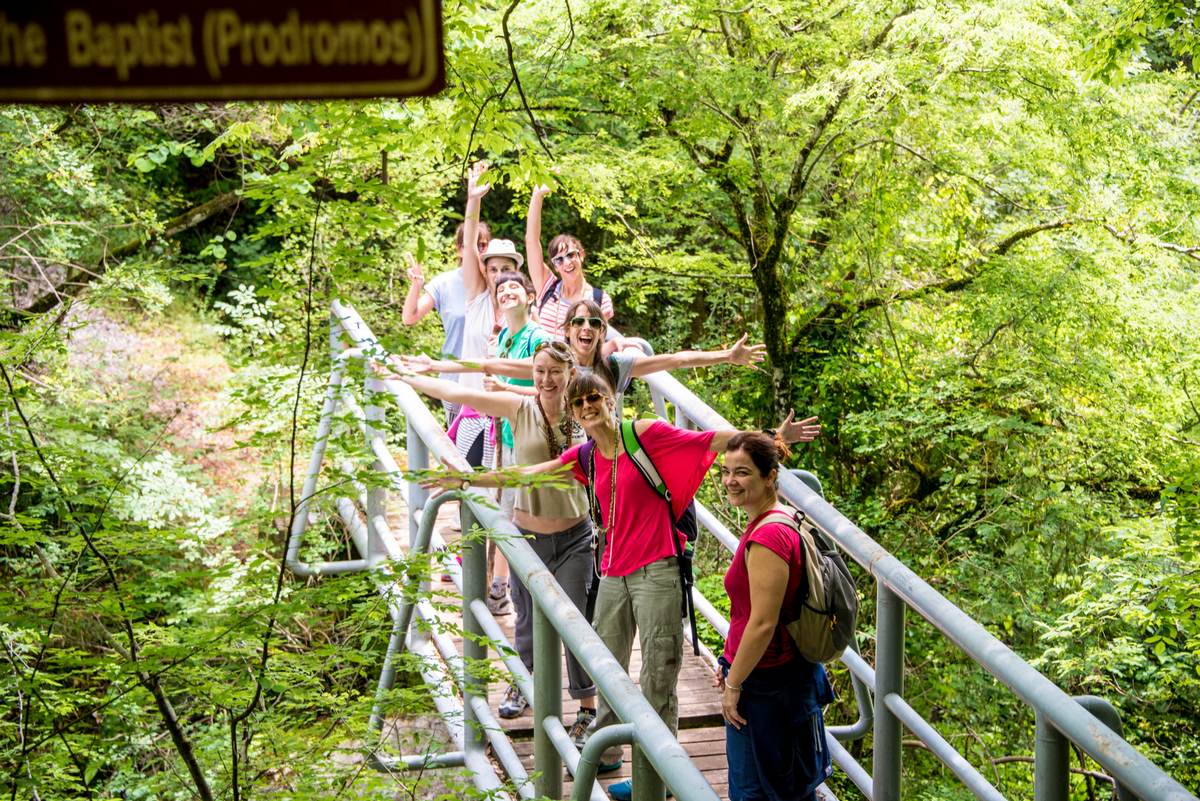
Hiking Lousios Gorge on the Menalon Trail
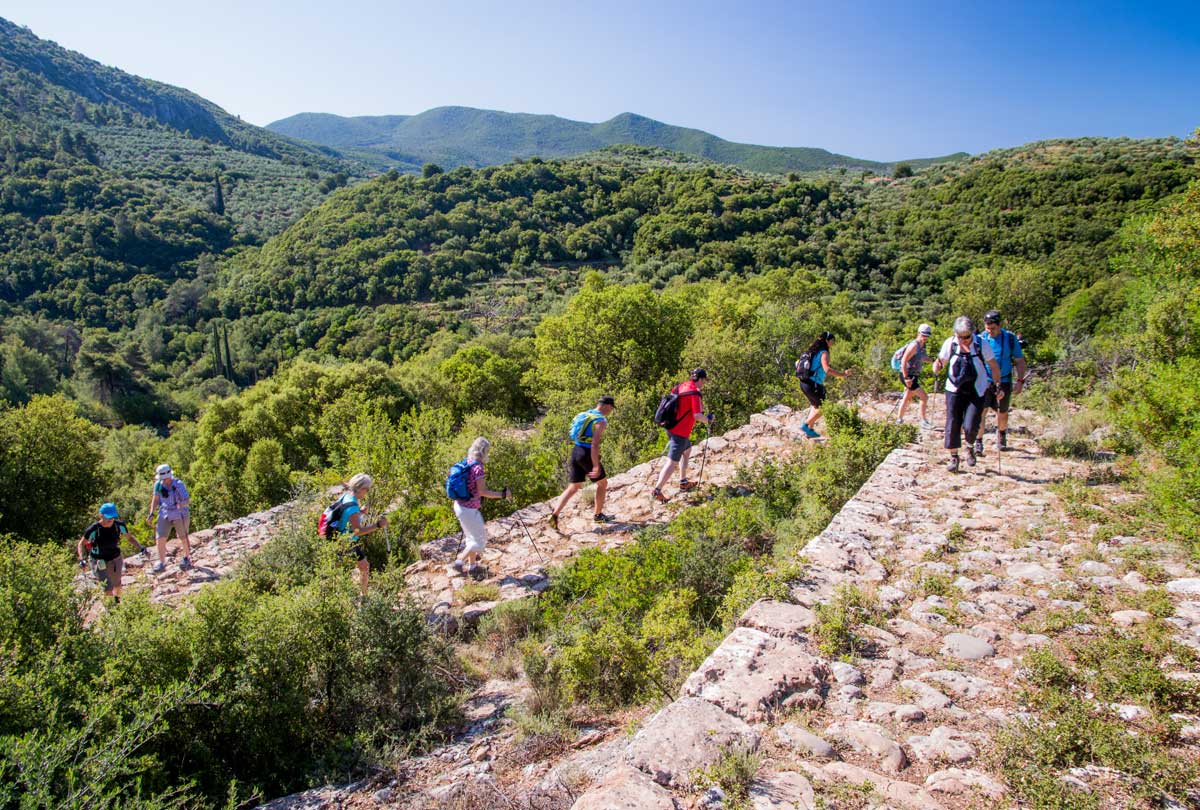
Biliovo cobblestone path from Altomira
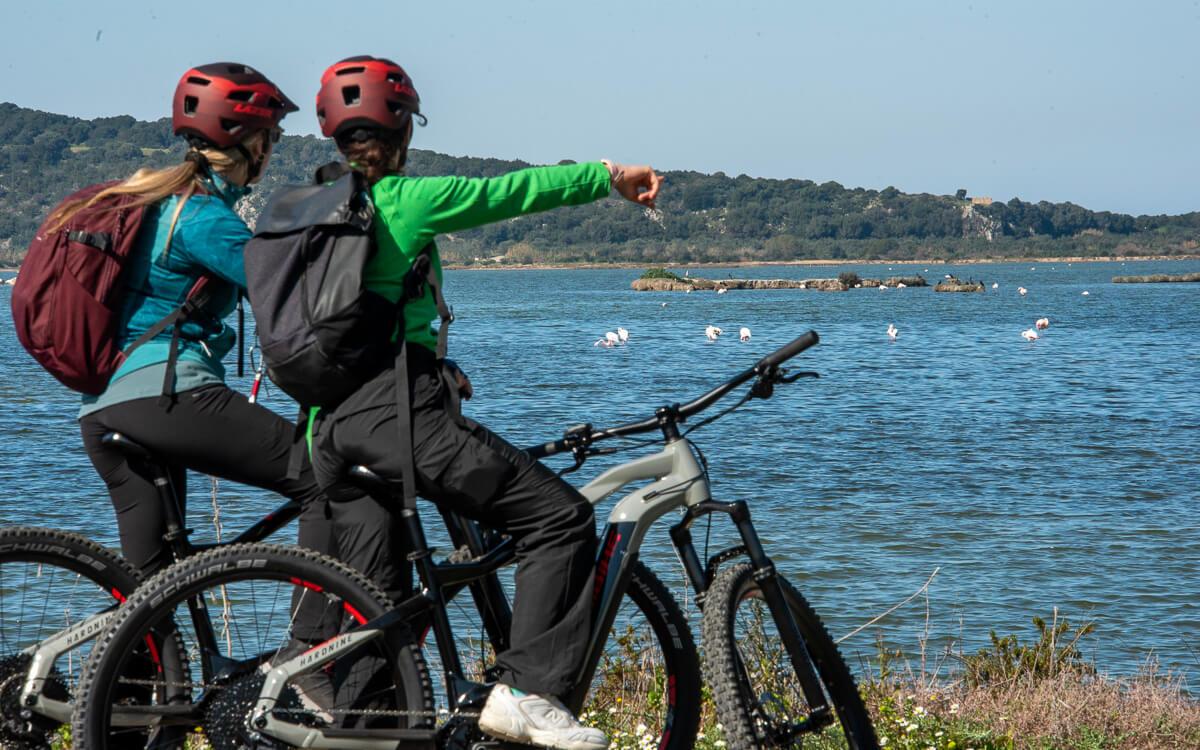
E-biking Navarino Bay and Gialova Lagoon
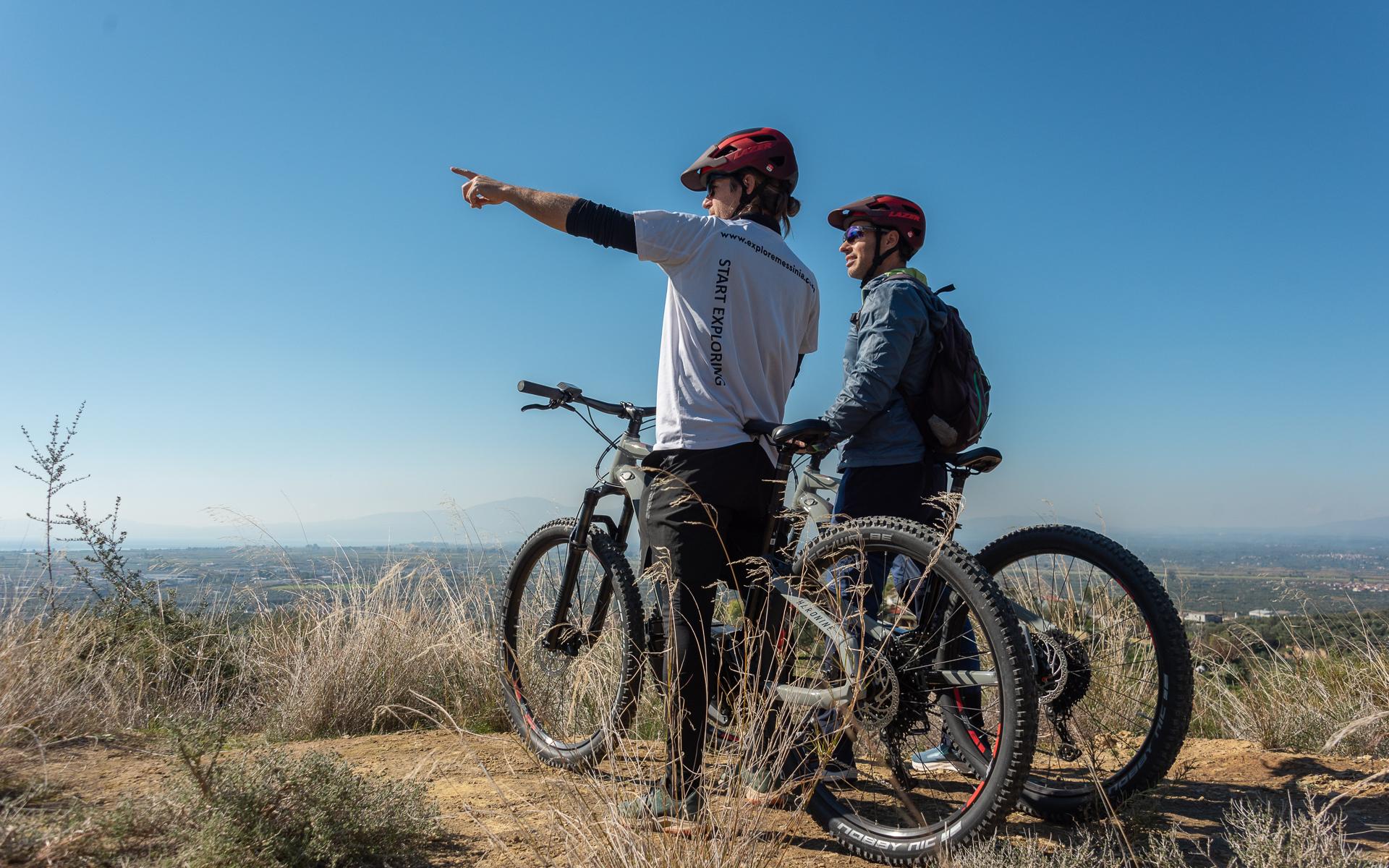
E-bike through the Kalamata olive groves
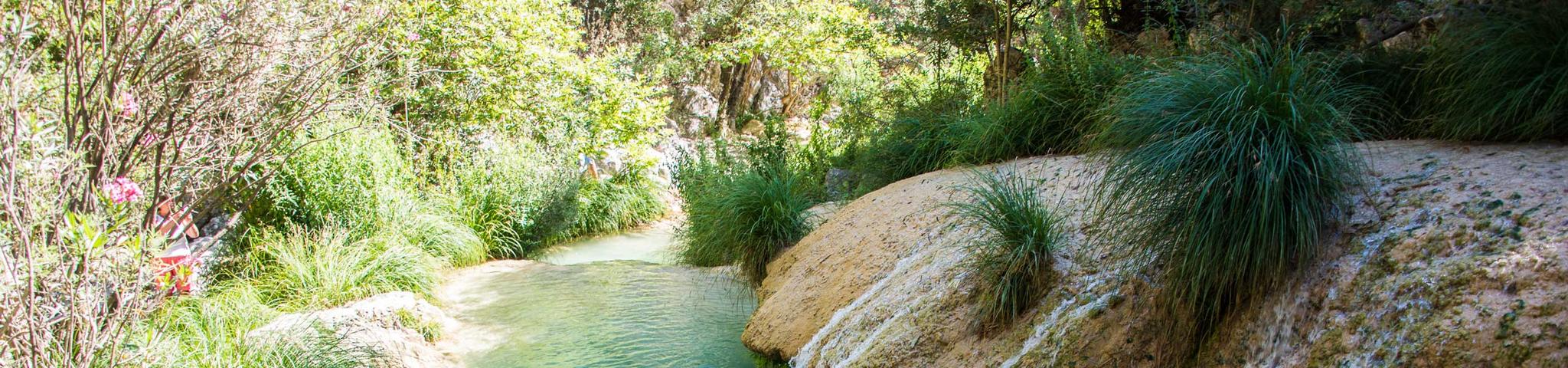
Polylimnio waterfalls hike
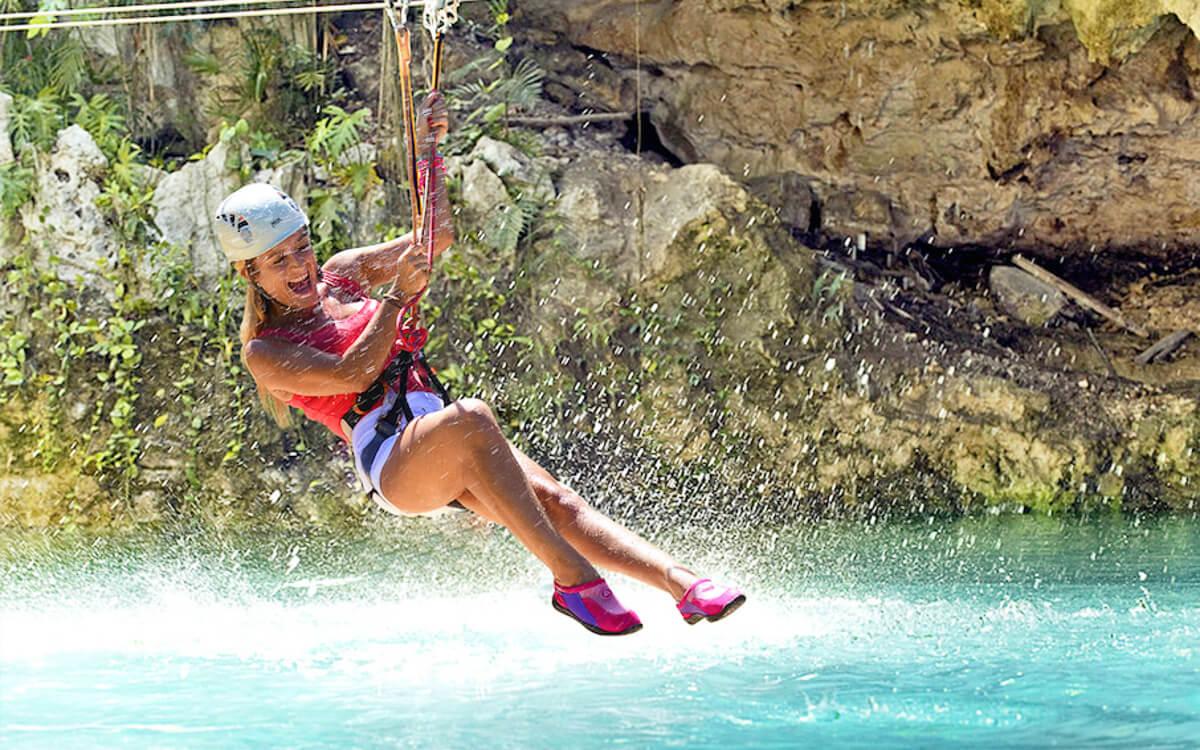
Canyoning the Polylimnio waterfalls
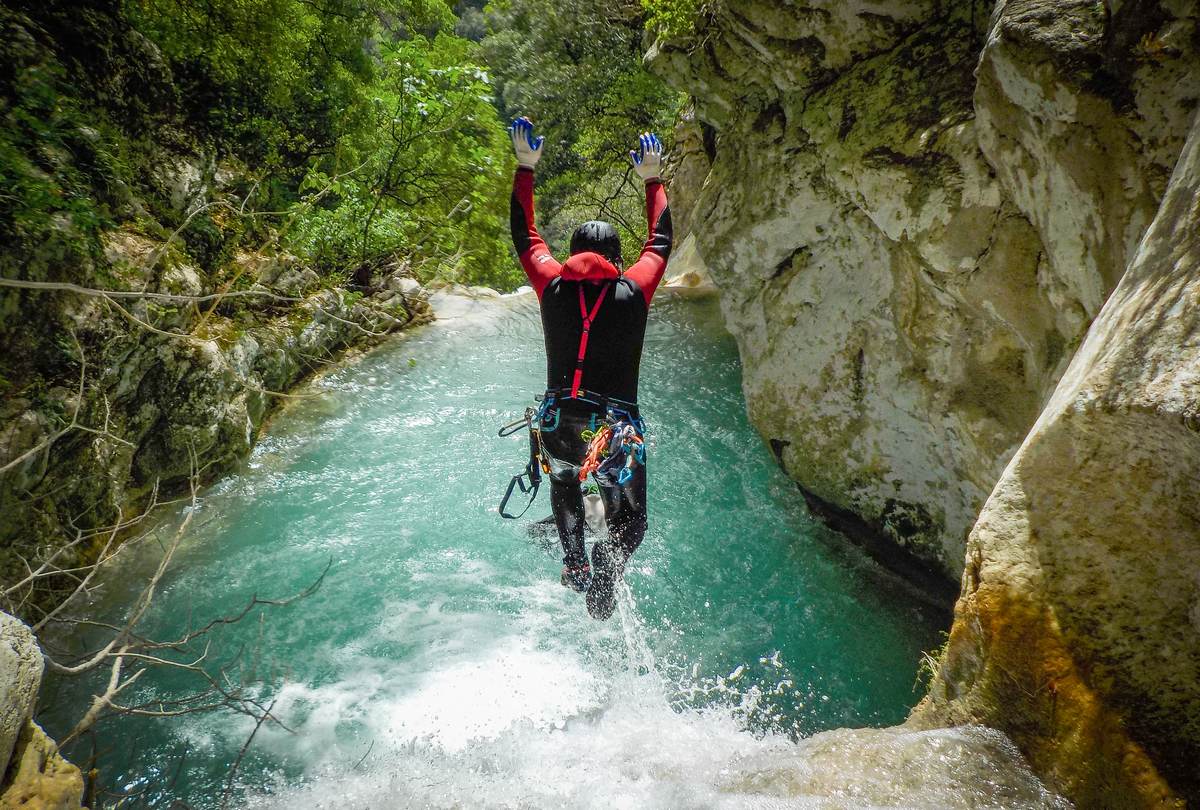
Canyoning in Neda Gorge
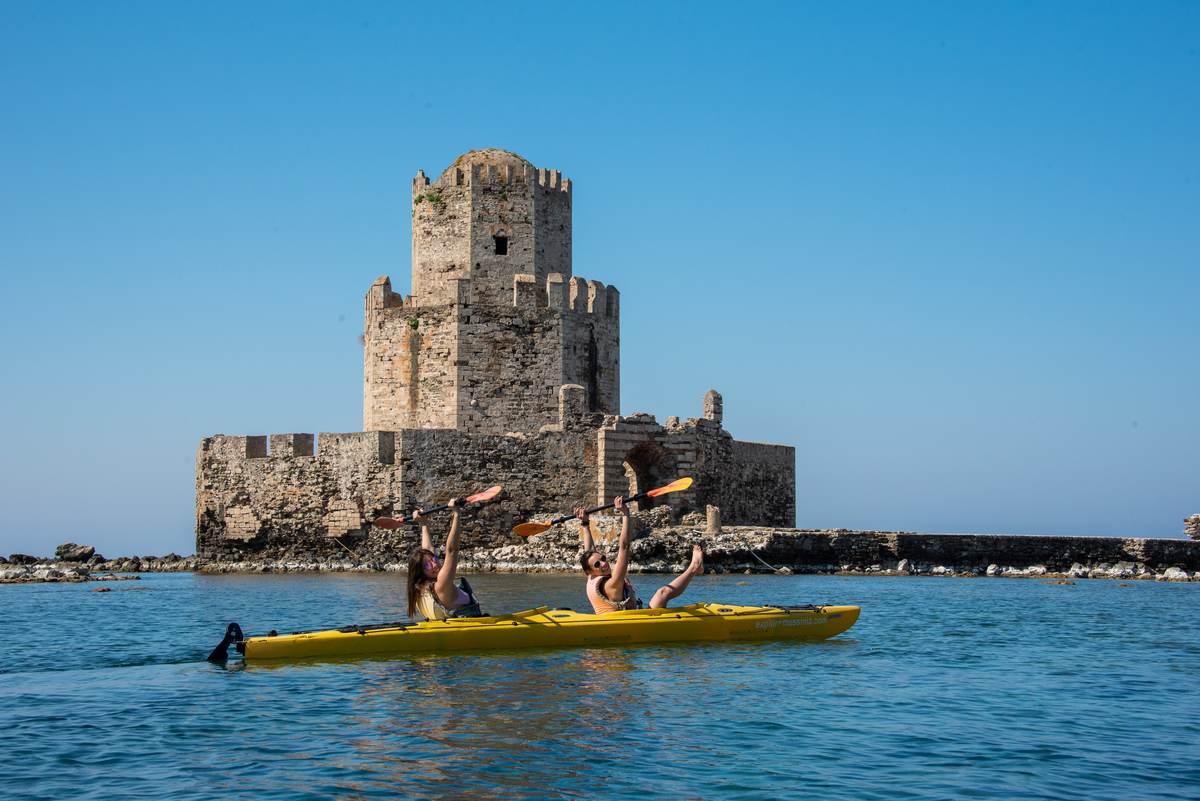
Sea kayaking to Sapienza island
Trips shaped by the bay.
Week-long trips from Messinia's coast — an olive harvest, an open-water swim safari, kayak, e-bike and hiking routes.
The Peloponnese Larder
Agiorgitiko in Nemea, Malvasia at Monemvasia, syglino in Areopoli and Fileri from 1948 vines.
The Odyssey – Telemachus’ road
Linear B at Nestor's palace, Navarino Bay by kayak, Taygetos on foot, sunset at the Menelaion.
Run the Menalon, recover by the sea
Nemea's athletes' tunnel, the Lousios gorge by 9am, the Pliovouni saddle, and a kayak into Kardamyli's Blue Cave.
An active week in the Peloponnese
Kayak the Kardamyli coast, picnic in the Ridomo gorge, paddle under Paleokastro, Voidokilia at golden hour.
Active Family Week in Messinia
Messene treasure hunt, Voidokilia swim, a 4 km paddle to the Blue Cave, a 30 m zipline at Polylimnio.
Slow e-bike days through Messinia
Flamingos on Gialova Lagoon, a swim at Voidokilia, 39 km under Mainalo fir, the Mani coast to Trachila.
Five sports, one base in Kalamata
SUP on the Messinian Gulf on day 1, a Kardamyli kayak and cove picnic, Polylimnio by rope and zipline.
Classical Peloponnese
Epidaurus theatre, Mycenae's Lion Gate in the morning, Byzantine Mystras, Messene's walls and Olympia's 5th-century workshop of Pheidias.
Across the Peloponnese
Epidaurus on day one, Monemvasia's lanes at first light, a Mani sea kayak morning, Voidokilia at dusk.
Olive harvest in Messinia
Paleokastro over Navarino Bay, a half-day picking olives, blue tasting glasses at the mill, 12 km in the Mani.
Crossing Taygetos: Sparta to the sea
Byzantine Mystras, Profitis Ilias at 2,407 m, 17.2 km down the Viros Gorge, a swim in Kardamyli.
Open Water Swim Safari the Messinia coast
Through the Fanari cliff gap, over two wrecks off Sapientza, 4 km of Katafygi rock, round the Kitries lighthouse.
When to come.
Wildflowers
Olive groves carpeted in poppies and chamomile. Mild days, cool nights. Voidokilia near-empty.
Sea opens
Sea reaches 22°C by late May. Long evenings, the Kalamata bougainvillea in flower. Best month for the inland walks.
Full summer
Hot, dry, busy. Voidokilia at sunrise; tavernas till midnight. Costa Navarino at peak.
Our favourite
Sea still 25°C in September. October brings the olive harvest and the first soft rains — the prefecture turns green again.
Olive months
The harvest runs Oct–Dec. Village mills run long days. Kalamata runs all year; on the coast, some hotels close for winter — check before you book.
What makes Messinia, Messinia.
Koroneiki, Kalamata, and a 3,000-year habit
Messinia produces some of the most respected olive oil in the world. The Koroneiki variety, small and intensely peppery, accounts for nearly all production; the larger, dark Kalamata table olive is the prefecture’s second face. The harvest runs October to December, when the village mills work long days and the air smells of crushed leaves and warm wood.
Navarino, one of the largest natural harbours in Greece
The 4.8-kilometre bay between Pylos and Gialova has been a strategic anchorage since antiquity. Pylos’ Niokastro, an Ottoman fortress, looks across at the small island of Sphacteria, where Athens defeated Sparta in 425 BC, and into a bay where in 1827 the combined British, French and Russian fleets destroyed the Ottoman–Egyptian fleet, the decisive battle of the Greek War of Independence. The bay is now part of a Natura 2000 site; the lagoon at Gialova is the southernmost major wetland in the Balkans.
Kalamatianos — one of Greece’s best-known dances
The Kalamatianos is one of the best-known folk dances in Greece — a 7/8 syrtos in twelve steps, danced in a circle, leader at the front holding a handkerchief. It is believed to take its name from Kalamata. You will hear it at every village panigyri, every wedding, every Easter Sunday in the Peloponnese; the wedding party dances it at the end of My Big Fat Greek Wedding (2002).
What grows here, and how it’s eaten.
Messinian cooking is the cooking of a generous land — olives, citrus, river-valley wheat, goat from the foothills. The pace is slow; the portions are not.
Table olive
The almond-shaped, dark-purple olive cured in brine and wine vinegar. PDO since 1996; only olives grown in Messinia can carry the PDO name.
Olive oil
The peppery, grassy, low-acidity oil pressed from Messinia’s small Koroneiki olive. The freshest comes in November.
Fried dough
Thin strips of flour-and-water dough, folded and fried in olive oil. Eaten with sfela cheese, olives and sausage.
Hand-rolled pasta
Small thumb-pressed shells of flour-and-water pasta, made across the Peloponnese. Boiled and served with hot butter or oil and grated mizithra.
Dried figs
Sun-dried figs — eaten plain, coated in sesame and bay leaves, or stuffed with nuts. Try sykopasta, a pressed fig paste, too.
Wine
Crisp, citrus-edged Moschofilero from the Mantineia plateau in Arcadia; Roditis and Fileri whites from PGI Trifylia, in Messinia’s north-west. Both drink well at lunch.
Four kinds of room.
From the four Costa Navarino hotels to a room in a village house — and, for a week, a villa among the olives.
Resort hotels
Four hotels north of Pylos — two on the dunes, two above Navarino Bay. Four golf courses, beach access, full-service. The Westin is the family option, the Romanos the quietest; W (adults and over-12s) and Mandarin Oriental more design-led.
Small, considered hotels
A handful of small hotels around Pylos and Gialova — Karalis Beach (14 rooms) on Pylos harbour, Zoe Resort on the lagoon edge. Both have pools.
Restored village rooms
Small rooms in village houses — a stone house on Koroni’s harbour edge, a guesthouse in Mavromati above Ancient Messene. Breakfast on a terrace.
Private houses for a week
Stone-built farmhouses in olive groves, rental villas at Costa Navarino. Best for groups and families in shoulder season; many have pools.
Before you go.
01Getting there
Kalamata airport (KLX) has direct seasonal flights from London, Munich, Vienna, Zurich, Paris and a dozen other European cities. Athens is about 2h 50m by road, on the A7 Moreas motorway via Tripoli.
02Getting around
A car is right almost everywhere. Kalamata to Pylos takes 55 minutes, Pylos to Methoni 12; Polylimnio is 45 minutes inland from Kalamata. Costa Navarino runs complimentary shuttles between its golf courses and hotels.
03When to come
April–June and September–October for warm weather without the crowd. October–December for the olive harvest. July and August are beautiful but Costa Navarino prices peak.
04What to pack
Sun protection that means it. Walking shoes for Polylimnio and Ancient Messene. A windproof for the headlands at Methoni and Pylos. Swimwear stays in the bag from May to October.
05Book ahead
Costa Navarino and the small hotels in Pylos and Koroni fill first in July and August — book well ahead. Kalamata is easier to walk into.
Field notes from Messinia & Kalamata.

Why to visit Costa Navarino
A sheltered bay in the south-west Peloponnese that has quietly become one of the most considered coastlines in the Mediterranean — without losing its Messinian bones.
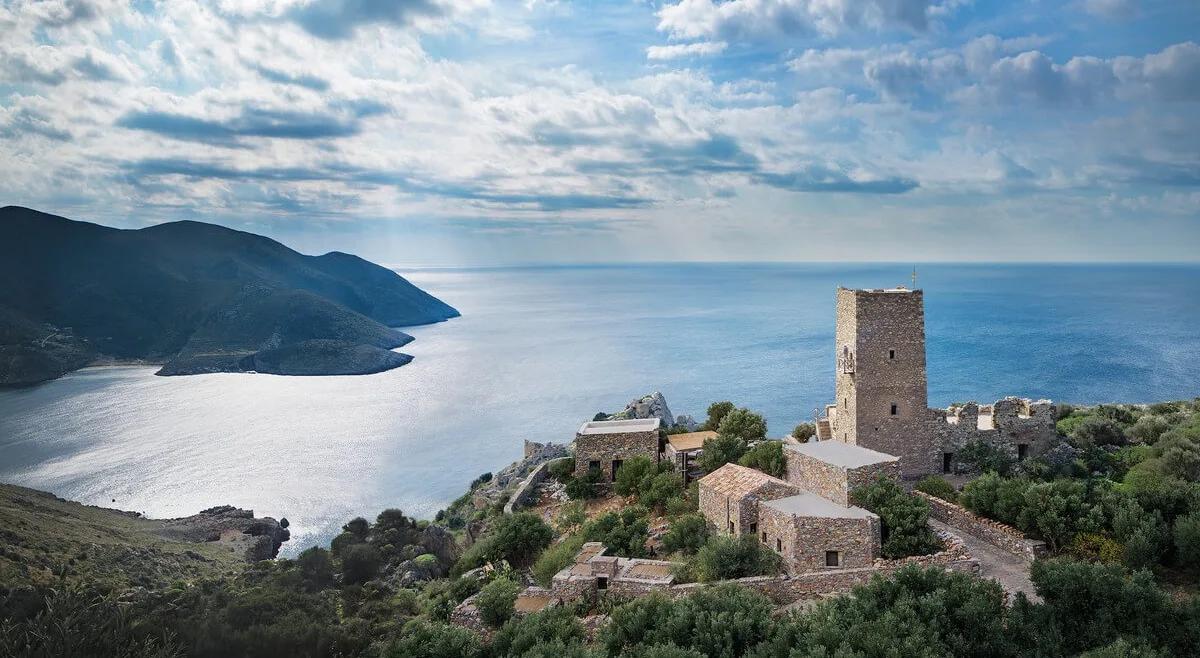
10 Hand-Picked Hotels in the Peloponnese
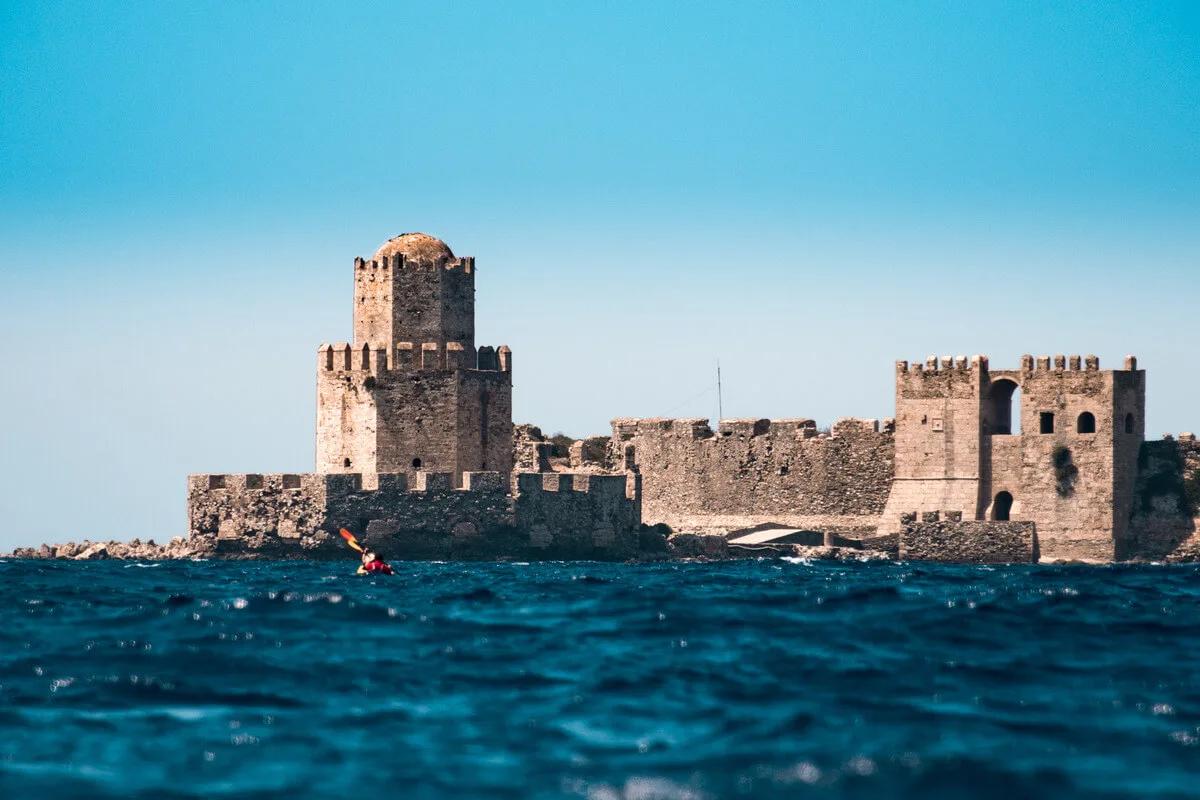
The Mythical Peloponnese
Your Ultimate Travel Guide
Let us shape your week here.
Tell us a little about the trip you want — pace, who's coming, how you'd like to spend your mornings. We'll build the days.