
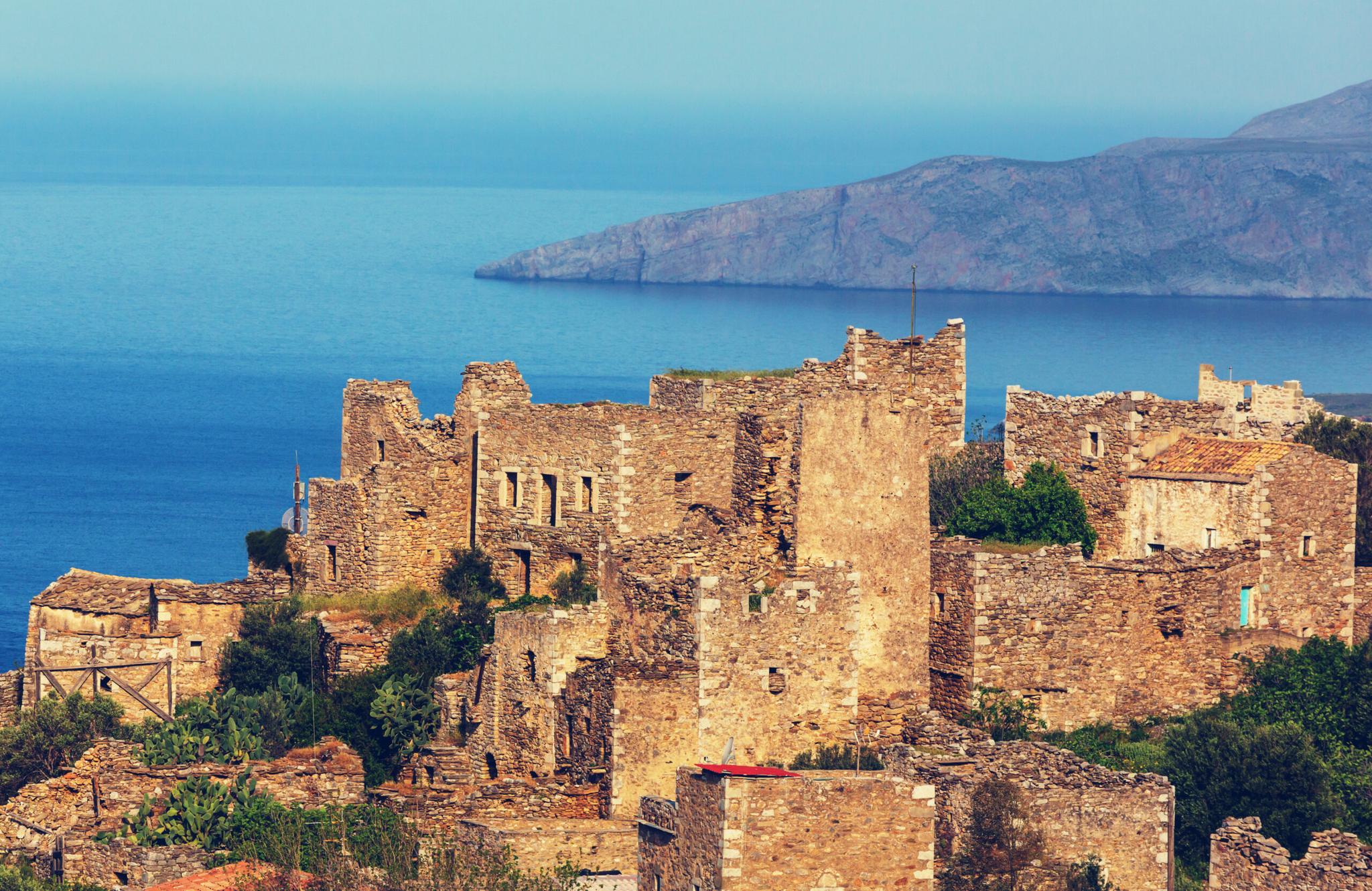
The Mani.
The middle finger of the Peloponnese — stone, cypress, stubborn sea. A landscape of tower-houses and feast-day tables that has kept its own counsel for centuries.
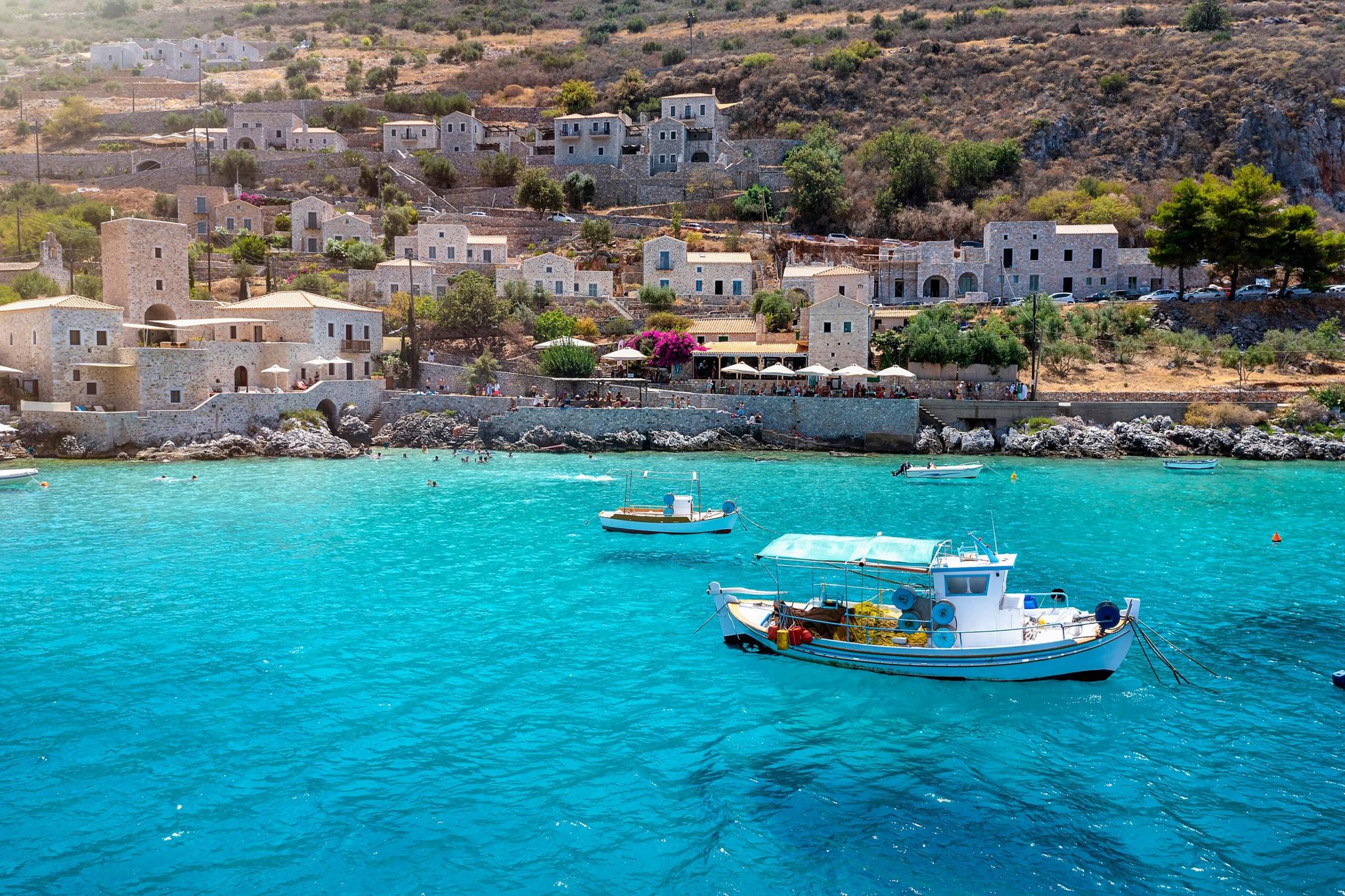
A hard, honest place — kept on its own terms.
The Mani is the middle of three peninsulas at the southern end of the Peloponnese, and the wildest. Mountains fall straight into sea. Villages of stone towers crowd on a slope. The light is unforgiving and the food is unflinching.
The Outer Mani, around Kardamyli and Stoupa, is greener — olive terraces, cypress, the Taygetos shedding into the Messinian Gulf. The Deep Mani, south of Areopoli, is the dramatic one — treeless rock, salt wind, the tower-village of Vathia and the harbour of Gerolimenas, over a sea that was once famous for pirates. At the tip is Cape Tainaron, where the ancient Greeks placed an entrance to the underworld.
8 places, one peninsula.
Hover the map or the list — they're linked. Numbered roughly the way you'd drive them.
- 01The End
Cape Tainaron
The southernmost point of continental Greece. A two-kilometre walk to a lighthouse, past the supposed entrance to the underworld.
- 02Lower Mani
Gerolimenas
A single-street fishing village on a cove that feels like the edge of the map. Two good hotels, one perfect sunset.
- 03Deep Mani
Diros Caves
A river-carved cave system with nearly fifteen kilometres mapped, entered by wooden rowboat. Stalactites the colour of honey and bone.
- 04Deep Mani
Limeni
A turquoise fjord below Areopoli — the old Mavromichalis family port. Swim off the rocks, eat at a table that almost touches the water.
- 05Deep Mani
Areopoli & Diros Caves
The Mani’s unofficial capital, where the revolution against the Ottomans began in 1821. A square of stone, a cathedral with swords carved above the door.
- 06Outer Mani
Agios Nikolaos
A harbour village in a tight cove — a ring of tavernas, one church, grilled fish straight off the boats.
- 07Outer Mani
Stoupa
Two soft bays side-by-side, the shore where Kazantzakis mined lignite with the real Zorba. Families, swimmers, long lunches.
- 08Outer Mani
Kardamyli
Patrick Leigh Fermor’s village — stone houses in cypress groves, a quiet sea, a taverna culture handed down through families.
Eight ways to meet the place.
A paddle and snorkel from Kardamyli, a gorge hike, old cobbled paths, a summit day on the Taygetos.
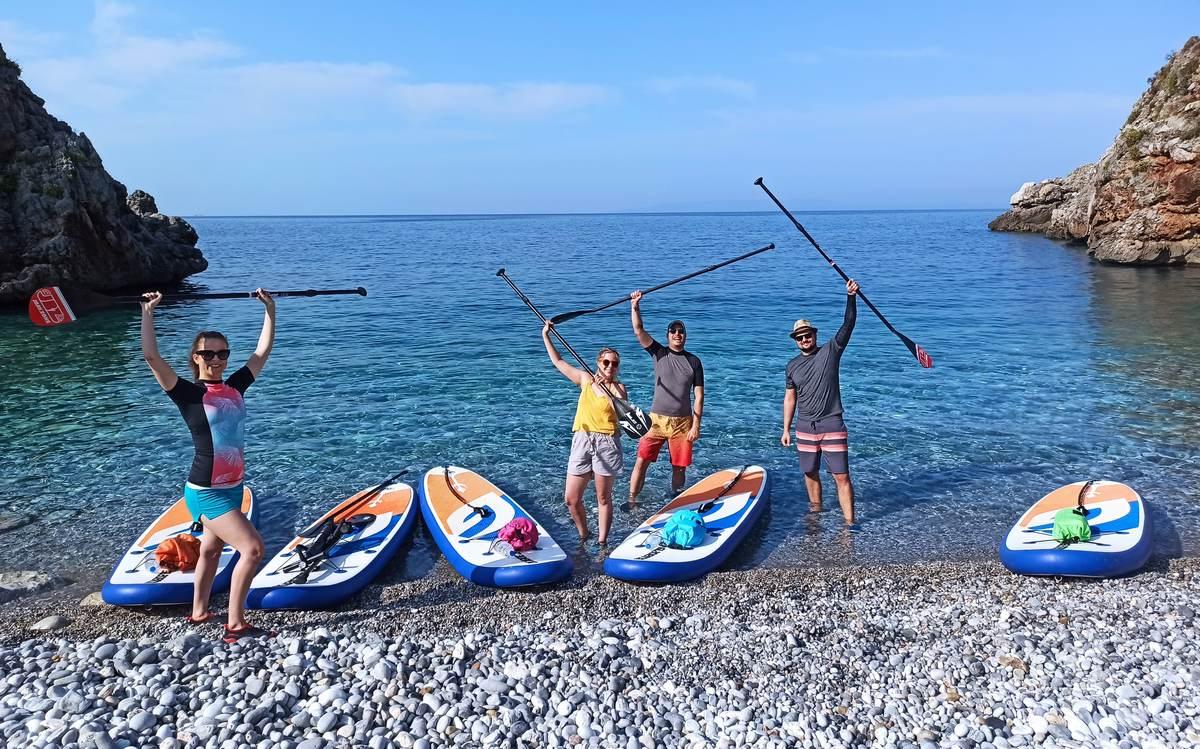
Stand-up paddle and snorkel from Kardamyli
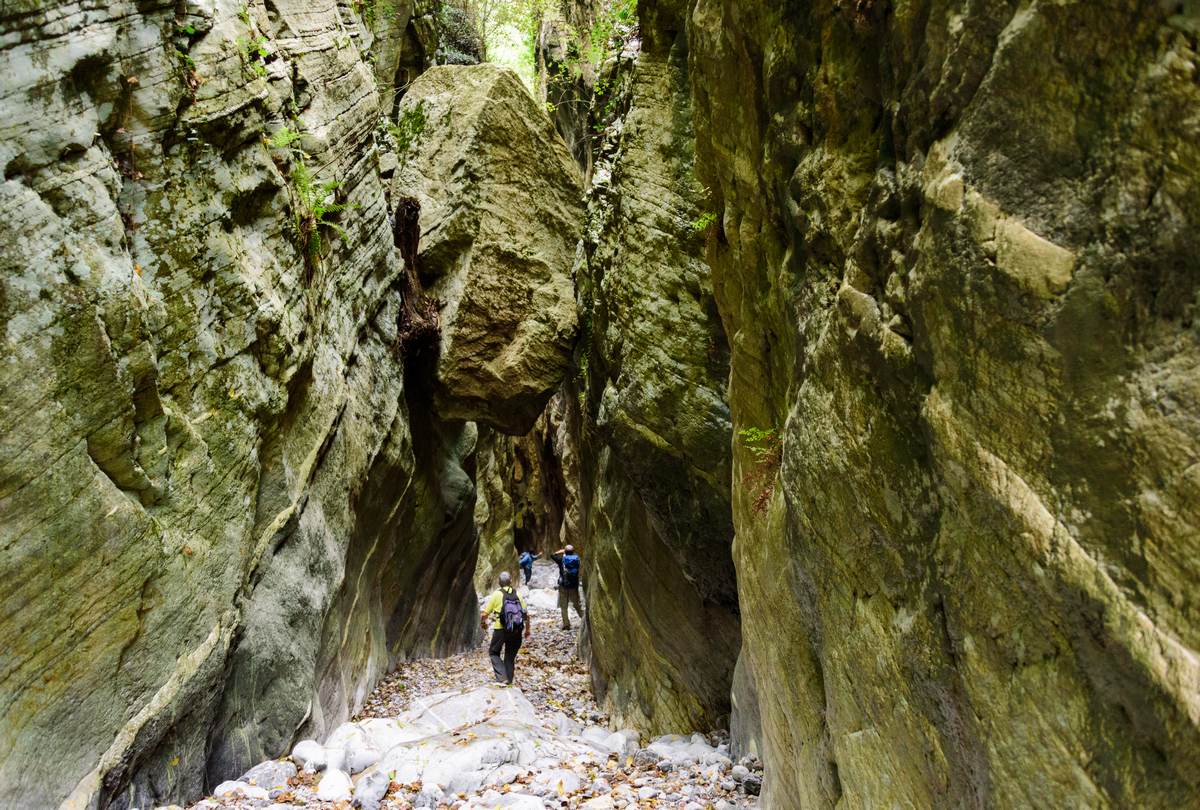
Hiking the Ridomo Gorge
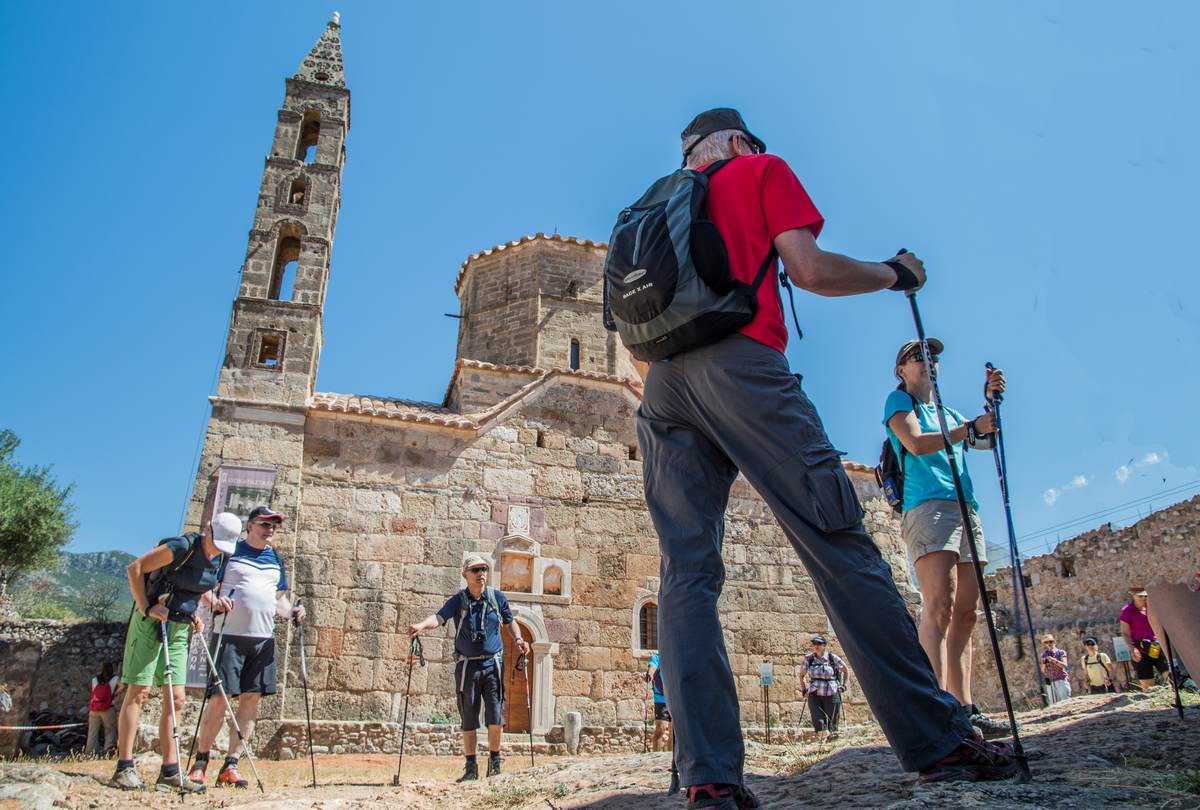
Cobbled paths above Kardamyli
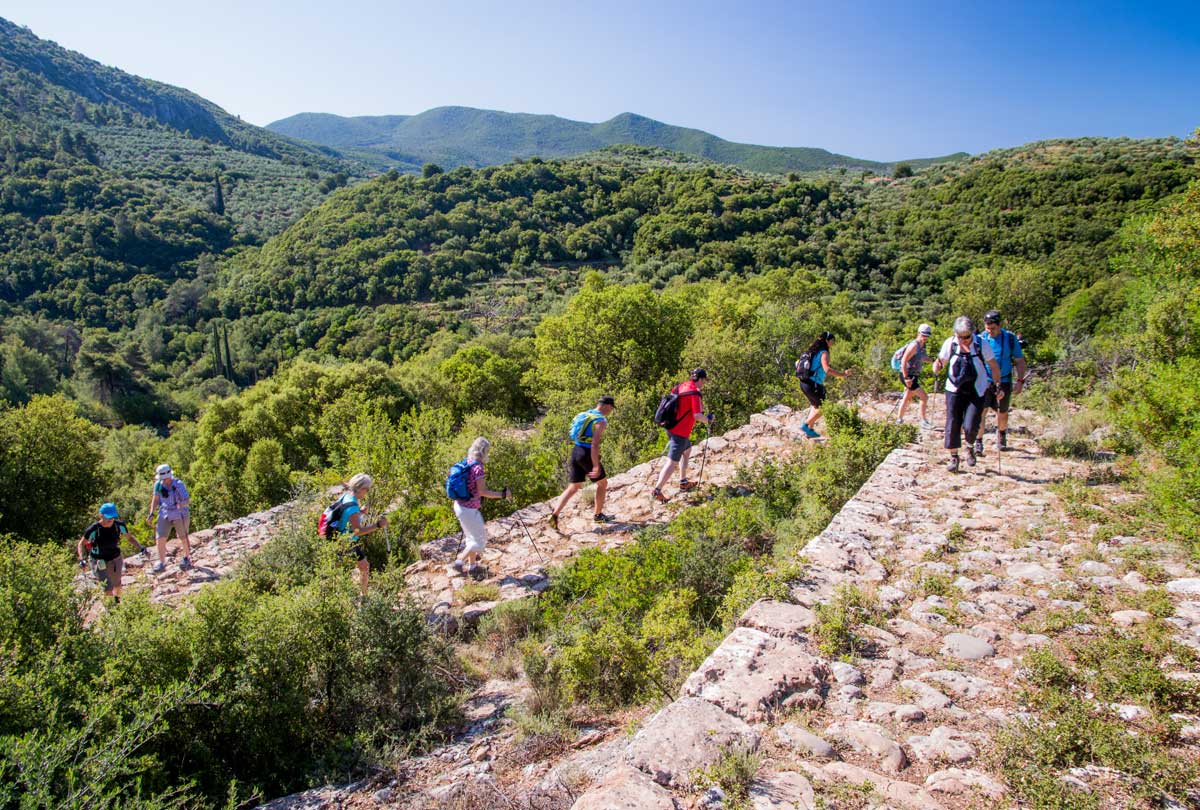
Biliovo cobblestone path from Altomira
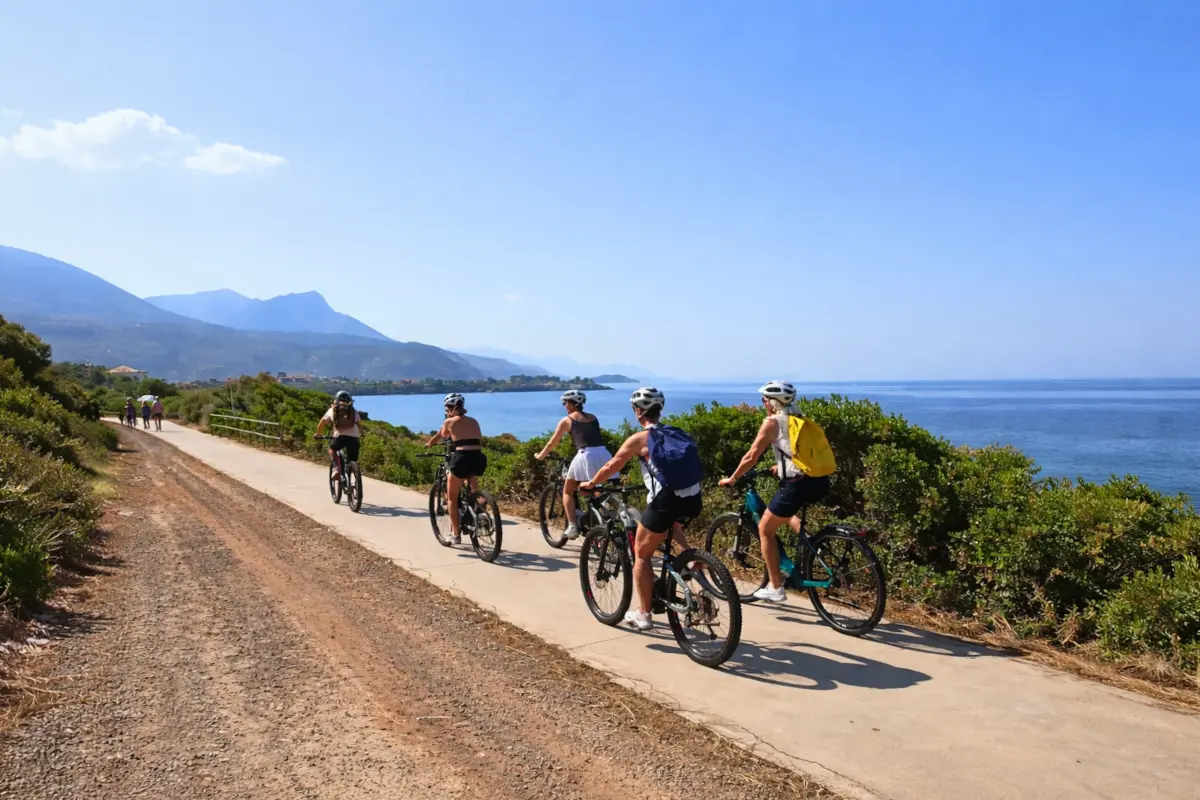
Coastal e-biking from Stoupa
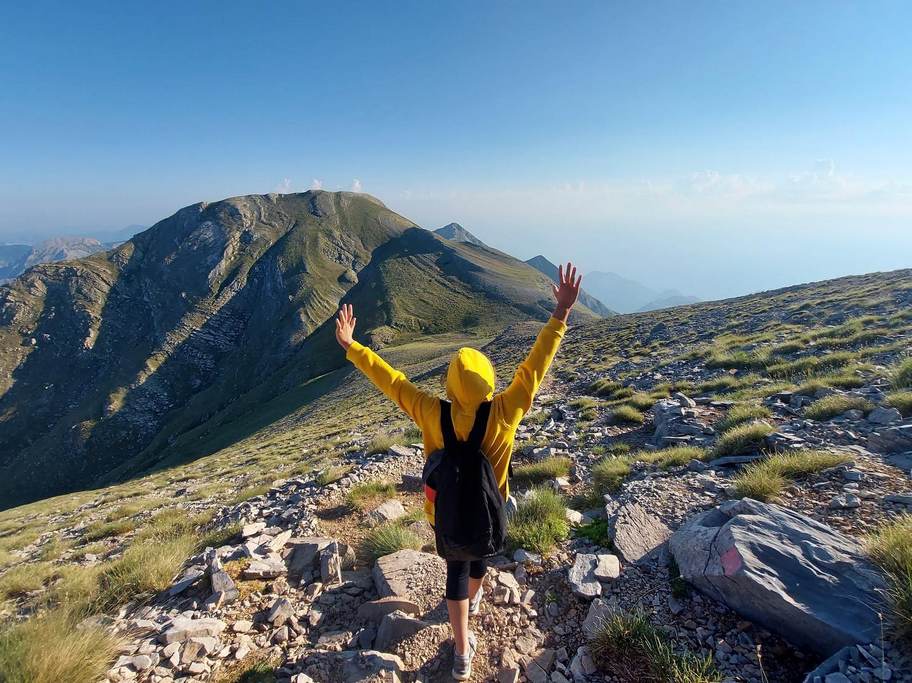
Summit hike up Mount Taygetos
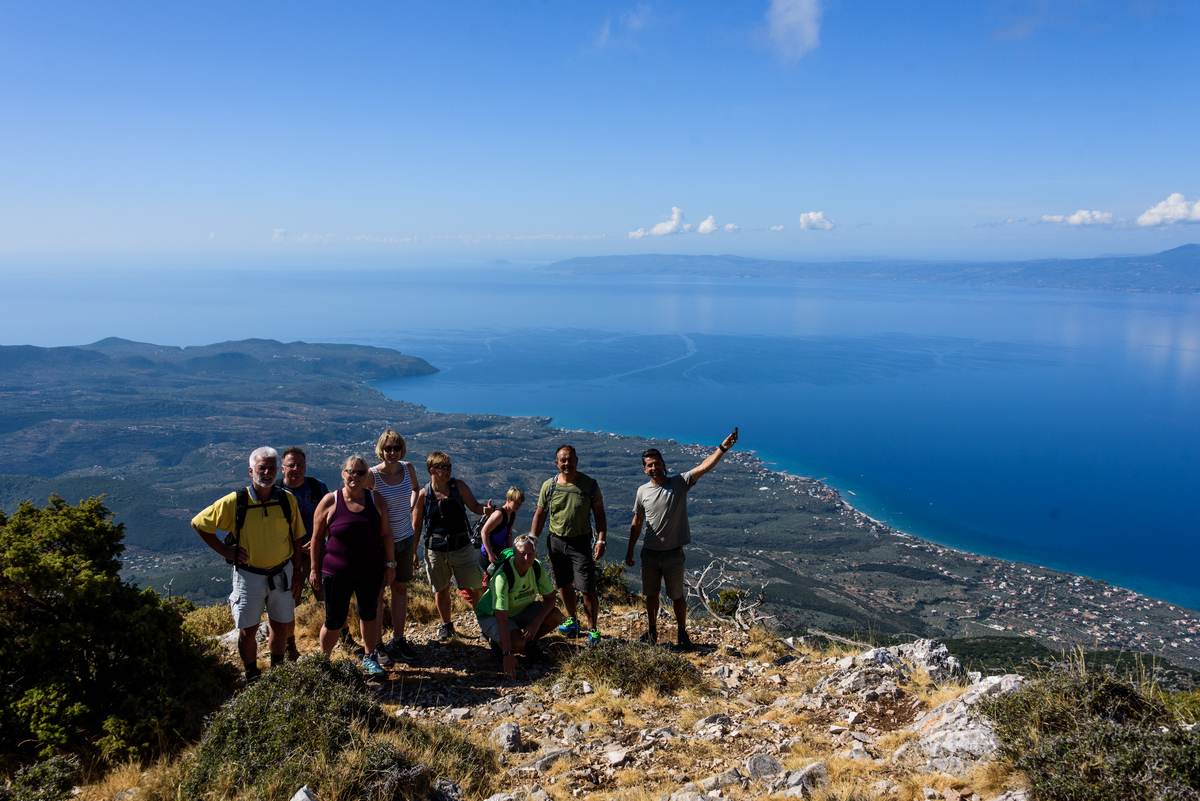
Hiking Mount Kalathi above Kalamata
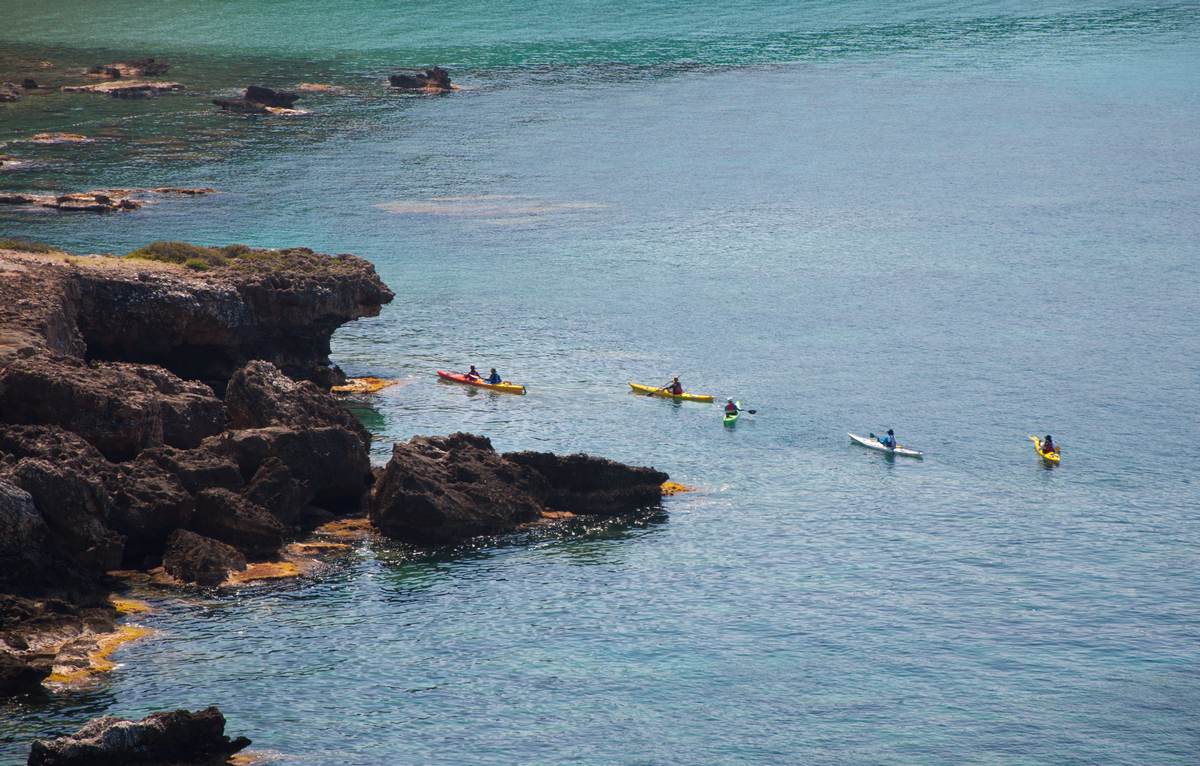
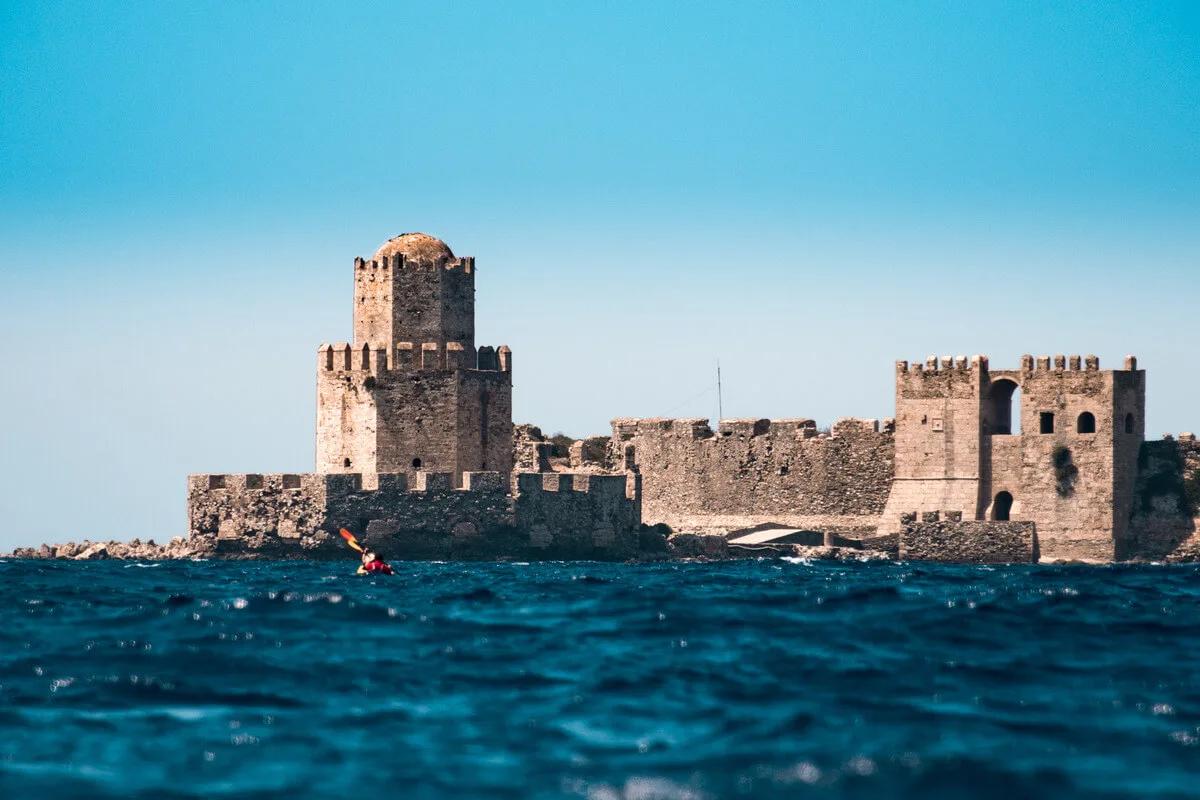
Sea kayaking the Mani coast
Trips shaped by the peninsula.
Considered itineraries that use the Mani as their backbone.
The Peloponnese Larder
Agiorgitiko in Nemea, Malvasia at Monemvasia, syglino in Areopoli and Fileri from 1948 vines.
Run the Menalon, recover by the sea
Nemea's athletes' tunnel, the Lousios gorge by 9am, the Pliovouni saddle, and a kayak into Kardamyli's Blue Cave.
An active week in the Peloponnese
Kayak the Kardamyli coast, picnic in the Ridomo gorge, paddle under Paleokastro, Voidokilia at golden hour.
Active Family Week in Messinia
Messene treasure hunt, Voidokilia swim, a 4 km paddle to the Blue Cave, a 30 m zipline at Polylimnio.
Across the Peloponnese
Epidaurus on day one, Monemvasia's lanes at first light, a Mani sea kayak morning, Voidokilia at dusk.
Olive harvest in Messinia
Paleokastro over Navarino Bay, a half-day picking olives, blue tasting glasses at the mill, 12 km in the Mani.
Crossing Taygetos: Sparta to the sea
Byzantine Mystras, Profitis Ilias at 2,407 m, 17.2 km down the Viros Gorge, a swim in Kardamyli.
Open Water Swim Safari the Messinia coast
Through the Fanari cliff gap, over two wrecks off Sapientza, 4 km of Katafygi rock, round the Kitries lighthouse.
E-MTB across the Peloponnese
Fir forest from 1,700 m, the Lousios Gorge rim, 1,941 m down Taygetos, sunset at Voidokilia.
Kayaking the length of the Mani
A 100 km sea kayak expedition down the Mani: Katafygi cave, three beach camps, Cavo Grosso, Cape Tenaro.
Round the Western Cape by kayak
Sea caves under the Fanari arch, wreck snorkelling off Sapienza, 20 km round Cape Akritas, Voidokilia from the water.
Slow Cycling the Mani Peninsula
A 14 km descent into Kardamyli, the Viros gorge spring, octopus over the water at Limeni, Areopoli's towers.
When to come.
Wildflowers
The peninsula turns green for a few weeks. Anemones, poppies, asphodel. Empty tavernas, cold swimming.
Walking
Warm days, cool evenings. The Viros Gorge and Mount Profitis Ilias are at their best. Sea is 22°C by mid-June.
Full summer
Hot and bright. Swimming everywhere; tavernas stay open past midnight. The hill villages inland stay cooler.
Our favourite
Sea still 25°C in September, light turning golden, crowds gone. October brings the olive harvest and the first rain.
Quiet
Many places close. A handful of year-round guesthouses stay open. Rain, empty beaches, spectacular skies.
What makes the Mani, the Mani.
The pyrgospito, and what made it necessary
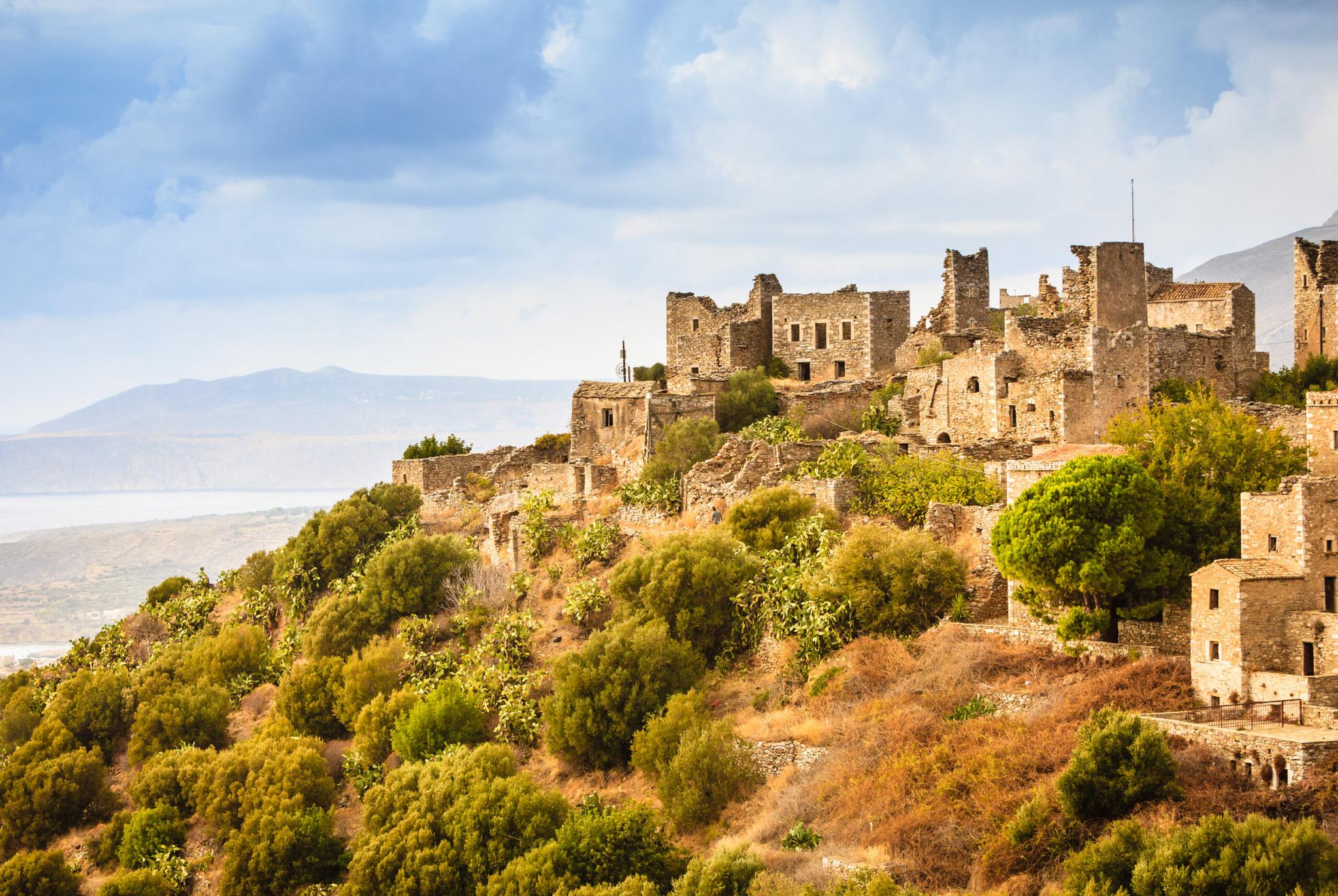
From the 1460s to 1821 the Mani was a law unto itself — Ottoman-occupied on paper, feuding clan-country in practice. Families built tower-houses, three to five storeys of thick stone, tall so the defenders could shoot down from the top. Vathia, the most famous, has some seventy of them on a single hill. Petrobey Mavromichalis’s tower at Limeni is now a small hotel, and a few others take guests.
Preserved meats, bitter greens, orange-peel sweets
Maniot food is the food of a dry place. Syglino (salted pork smoked over sage, then kept in its own fat), lalangia (fried dough strips for the winter feasts), hilopites (egg noodles cut by hand), wild greens boiled with lemon, and a spoon sweet of orange peel or green walnut that often comes with the Greek coffee. The wine is dark and serious — dry reds from Sparta, a few coastal whites.
Panigyria, mourning songs, the feast of Taxiarches
The Mani keeps a thick calendar of saints’ days, each with its own village feast (panigyri) — long tables in a square, a violin and a lute, lamb on coals. The biggest day is 17 March in Areopoli — a service in the cathedral of the Taxiarches, a re-enactment of the Maniot families’ oath, a parade; the cathedral keeps its own feast on 8 November. Maniot mourning songs (moirologia) are laments improvised by the women over the dead.
What grows here, and how it’s eaten.
The Mani eats seriously. What grows here is stubborn — olives, oranges, figs, mountain herbs — and the cooking preserves, smokes, cures. A meal is long; the best ones last the afternoon.
Smoked pork
Pork cured with salt, smoked slowly over green sage, then cooked and kept in its own fat; warmed with orange. Eaten with bread, or fried with eggs and tomato.
Feast-day dough
Ribbons of dough fried in olive oil, made for Christmas and Epiphany. Eaten on their own, or warm with honey.
Hand-cut noodles
Egg-and-milk noodles cut in tiny squares. Boiled in rooster broth, served with crumbled goat cheese.
Spoon sweet
Orange peel or green walnut preserved in syrup, served on a cold plate with Greek coffee and a glass of water. Ritual.
Olive oil
The Mani’s Messinian side, the Outer Mani, grows Koroneiki — the olive behind Kalamata PDO oil, now protected across all of Messinia.
Wine
Agiorgitiko and Mavroudi from the vineyards around Sparta, inland. Small producers; bring a bottle back from the Laconian side.
Four kinds of room.
Tower-houses, small hotels on the coast, family rooms above a taverna, and houses to rent around Stoupa.
Restored pyrgospita
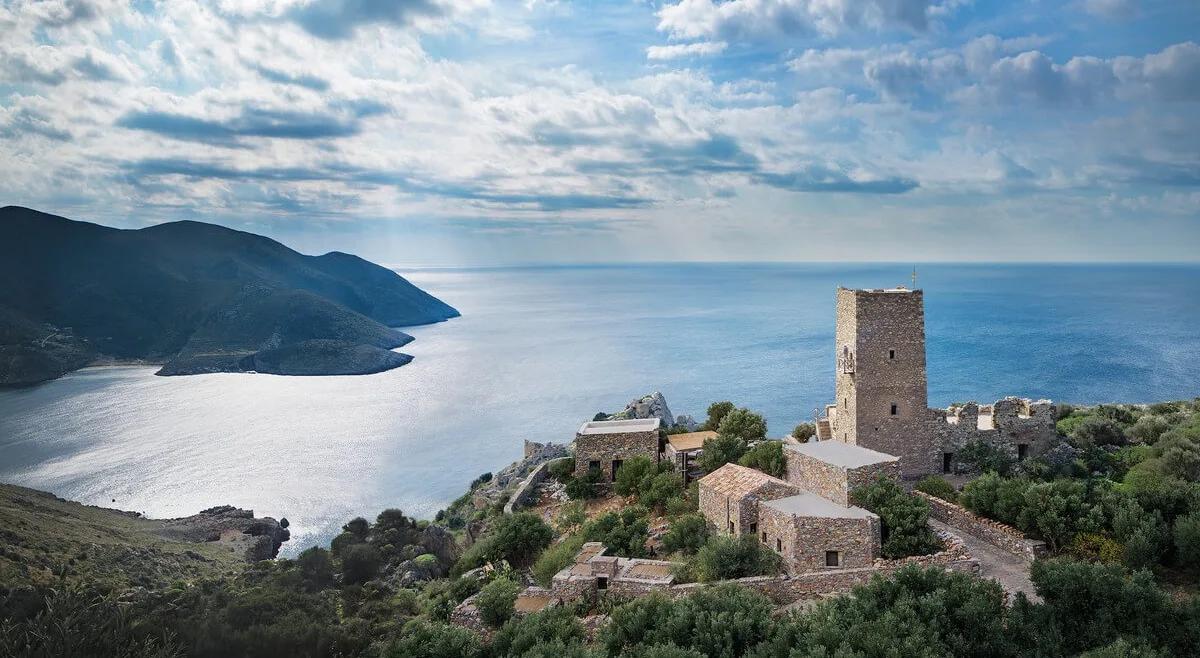
Rooms in a stone tower two centuries old or more. Thick walls, cool stone floors. Most in the Deep Mani — Petrobey’s tower at Limeni, a four-room tower near Vathia.
Small, sea-facing hotels
Along the coast from Kardamyli to Gerolimenas — Kalamitsi above its bay, Kyrimai on the Gerolimenas quay; usually a restaurant worth eating at.
Family-run rooms
The Mani’s backbone. A handful of rooms, often with the family taverna downstairs — Akrotainaritis on the Gerolimenas harbour has been both since 1923.
Private houses for a week
Stone houses and villas to rent around Stoupa, some a short walk from the beach. Best for groups and families in shoulder season.
Before you go.
01Getting there
Kalamata (KLX) is the closest airport. From Kalamata it is 50 minutes to Kardamyli and 1h 55m to Areopoli; add about 15 minutes from the airport. From Athens it is about 3h 40m to Kardamyli, by motorway to Kalamata.
02Getting around
A car is essential. Roads are good along the coast, narrow and slow over the Taygetos. Budget extra time; the bends are part of the Mani.
03When to come
April–June and September–October. July and August are beautiful but hot and busy.
04What to pack
Walking shoes. A light jumper — evenings are cool even in summer. Swim shoes for rocky coves. Cash for villages inland.
05Book ahead
Tower-house hotels and the few Gerolimenas rooms fill early, even in shoulder season. Book the popular tavernas in summer — Lela’s in Kardamyli, Takis in Limeni.
Field notes from The Mani.
Let us shape your week here.
Tell us a little about the trip you want — pace, who's coming, how you'd like to spend your mornings. We'll build the days.